Unified access services and applied introductions for allied healthcare education, routed at the core
for standardized accreditation and licensure through clinical readiness, compliance training, and career preparation.
Accession is the separate student doorway for sign-in, account creation, course requests, and approved course rooms.
Clinical Learning Identity
The Rotunda Mission
Remote healthcare education should build recall, judgment, and clinical calm.
Allied Healthcare Sciences gives students a structured place to practice the language, habits, and
decision-making expected in healthcare settings before they enter protected course rooms.
Care is not an accessory to training. It is the standard that gives training its purpose.
Retention over memorization
Care Context
Patient-facing judgment starts before the clinical floor.
The Rotunda connects terminology, safety habits, documentation, ethics, and professional conduct
to patient-facing situations instead of leaving them as isolated facts.
Students should learn healthcare language as a usable care tool, not just as a vocabulary list.
Practice Rhythm
Skills become stronger through repeated, organized use.
The delivery model favors review loops, retrieval practice, applied prompts, and steady reinforcement
so students can recall core concepts under pressure.
Preparation is returning to the right idea until it becomes usable without hesitation.
Section Integrity
Access stays aligned to the right cohort and course room.
Accession separates the public overview from protected student work, verified sections, course enrollment,
and classroom materials so access stays clean and intentional.
Students should know where they belong, what they are practicing, and why it matters.
01Applied Introductions
Course previews introduce the learning focus while protected lessons stay inside verified student access.
02Clinical Readiness
Students repeatedly connect anatomy, terminology, safety, and communication to practical healthcare decisions.
03Compliance + Licensure
Content is organized around the standards, documentation habits, and accountability expected in care settings.
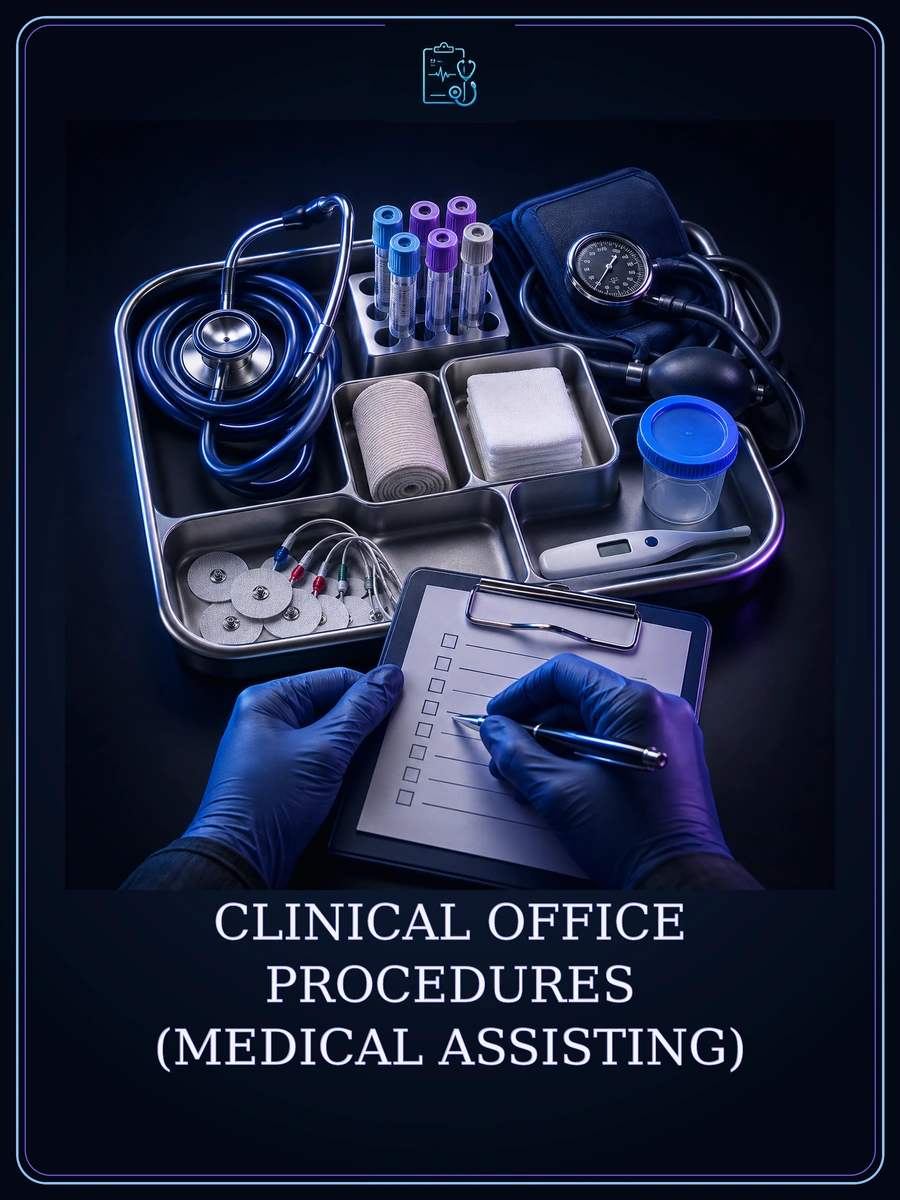
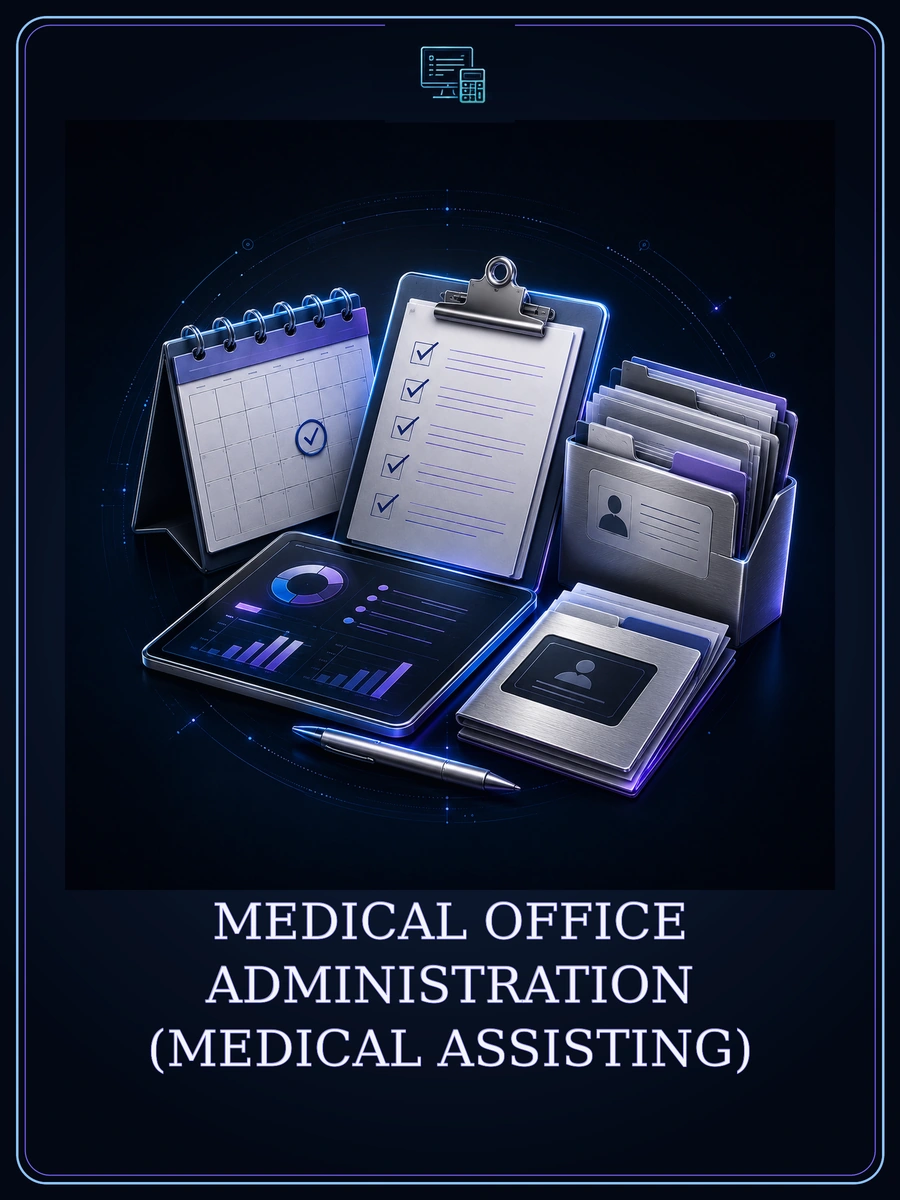
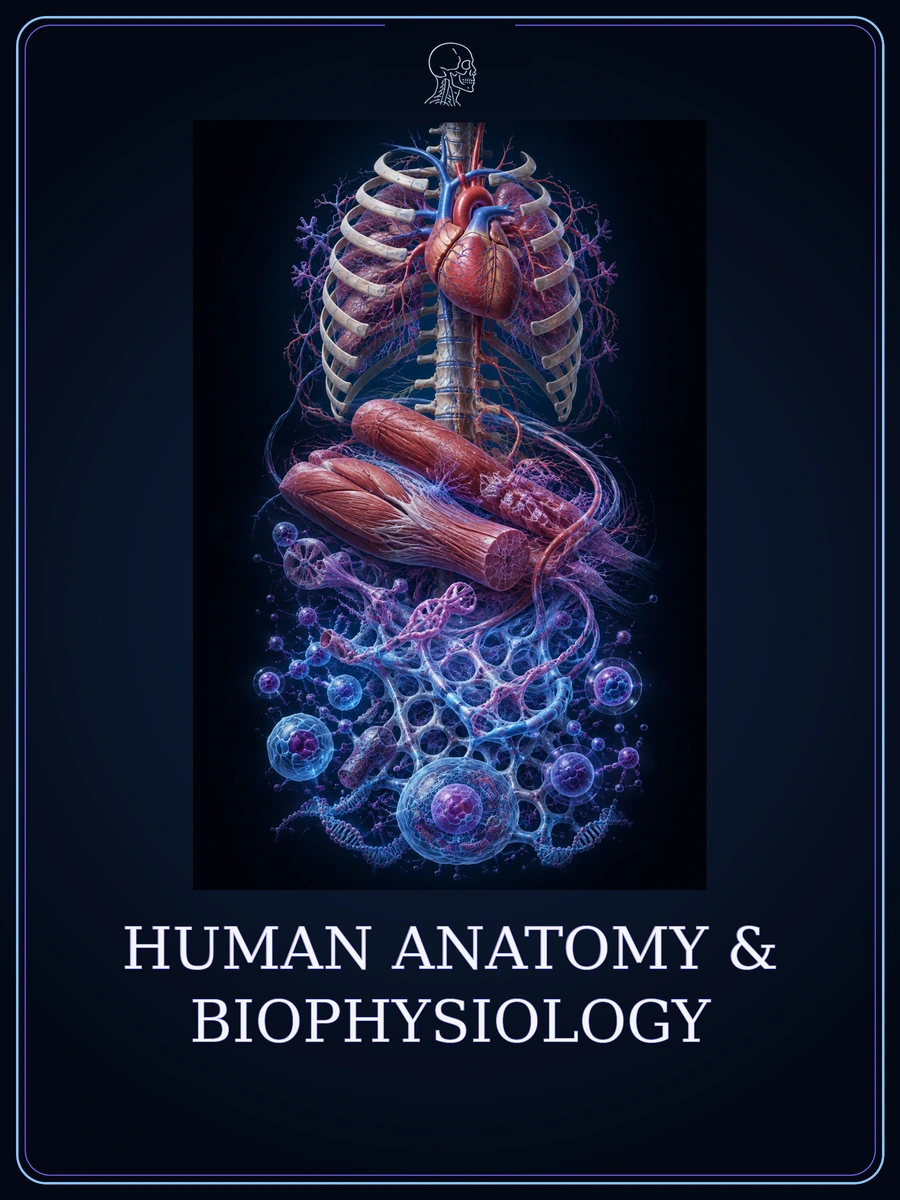
Course Previews
Focused introductions for active allied healthcare pathways.
These previews describe the learning focus only. No lesson links, student buttons,
request controls, or protected course-room actions appear on this page.